The Hidden Connection Between Menopause & New Allergies
Is It Menopause, or Are You Suddenly Allergic to Everything?
Have you found yourself sneezing, itching, or dealing with skin rashes or food intolerances lately, even though you've never had allergies before? Or perhaps your lifelong seasonal allergies have suddenly become unbearable, especially this time of year?
You're not alone, and it's not in your head.
At Inspire Natural Wellness in Newport Beach, we've seen countless women experience a sudden onset or worsening of allergy symptoms during perimenopause and menopause. As I continue my own perimenopausal journey, I've noticed itchy eyes from dusty closets, hives during stress, and even had to ditch my favorite natural eyeliner due to swollen, irritated eyelids. There's a strong hormonal link between this transition and your immune system—let's uncover it.
The "Why": Hormones, Stress, and Histamine
As estrogen fluctuates and declines during menopause—coupled with chronic stress—three key shifts occur:
Lower Progesterone: It normally counterbalances estrogen as an anti-inflammatory. When it drops, inflammation spikes.
Increased Histamine: Estrogen regulates histamine (the allergy chemical). Wild swings cause mast cells to release more, triggering hives, congestion, and itchy skin.
Stress and Mast Cells: Cortisol should reduce inflammation, but chronic stress leads to dysfunction, overactivating immune responses and histamine release.
Your hormones make allergens that once ignored you now impossible to overlook.
Common "Menopause Allergy" Symptoms
Skin Sensitivities: Hives, itching, rashes, acne.
Respiratory Issues: New/worse seasonal allergies, congestion, itchy eyes.
Asthma: Adult-onset common between 40-60; existing cases often worsen.
Digestive Issues: Bloating, IBS-like symptoms from histamine intolerance.
Food/Alcohol Sensitivities: Reactions to former favorites like red wine or aged cheeses (histamine-rich).
What About Mast Cell Activation Syndrome (MCAS)?
MCAS is a chronic immune disorder where mast cells release excessive histamine and prostaglandins. Estrogen triggers flares; progesterone stabilizes. Symptoms cycle with ovulation or pre-menstruation:
Skin: Flushing, hives, angioedema.
Neurological: Migraines, fatigue, brain fog, anxiety.
GI: Diarrhea, bloating, cramps.
Genitourinary: Painful/heavy periods.
Your Inspire Natural Wellness Action Plan
Don't suffer—regain control with our root-cause approach:
Symptom Diary: Track alongside cycles/hot flashes to confirm hormone links.
Trigger Testing: Identify mold, dust, pollen via labs; our mold detox or homeopathic drops help.
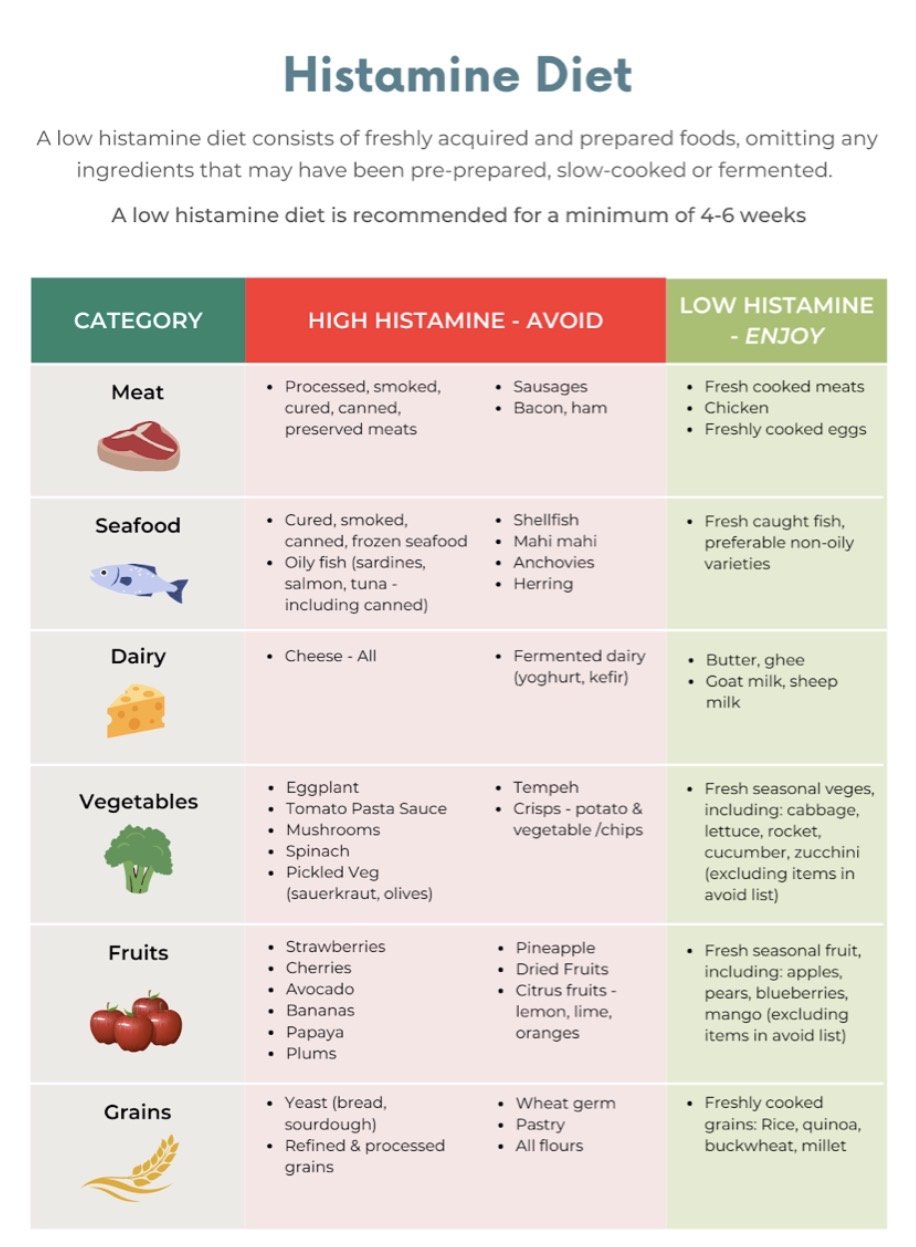
Low-Histamine Diet: Skip aged cheeses, cured meats, tomatoes, avocados, alcohol, leftovers (freeze immediately).
Stress Management: Daily self-care to lower histamine production.
Gut Support: Probiotics + DAO enzymes for histamine breakdown.
Natural Antihistamines: Nettles, quercetin (in onions/berries), vitamin C, NAC for sinuses.
Acupuncture: Stabilizes mast cells, balances hormones, reduces inflammation—immediate relief for most.
Ready for personalized care? Book a Discovery Call with Dr. Suzanne Tang, ND, LAc at Inspire Natural Wellness (4063 Birch St, Suite 200, Newport Beach, CA 92660 | 949-577-9171). We specialize in naturopathic hormone wellness, acupuncture, and functional medicine to restore your balance.
Menopause shifts your chemistry, but at Inspire Natural Wellness, we empower you to thrive. Stay curious, nourish your body, and optimize your journey.
Yours in Wellness,
Dr. Suzanne Tang, ND, LAc
Founder, Inspire Natural Wellness
Follow us on Instagram @inspire_natural_wellness