From Breaking Down to Breaking Free
A New Year Reset for Your Nervous System
As we step out of 2025 and into 2026, many of us are breathing a collective sigh of relief. The holidays — though meaningful — can be anything but restful. And yet, here we are, at the threshold of a new year, with an opportunity to choose something different: more ease, more intention, more healing.
If 2025 was especially challenging for you — you are not alone. Many in our Inspire Natural Wellness community have walked through deep transitions, loss, stress, and uncertainty. There is no better time than right now to pause, release what no longer serves you, and begin again — gently, intentionally, and with support.
A Personal Reflection on Resilience
This past year stretched me in ways I could never have anticipated. I witnessed things break down — homes, routines, expectations — but when loved ones experience trauma and profound illness, it calls for something deeper than endurance. It requires surrender, compassion, and spiritual resilience.
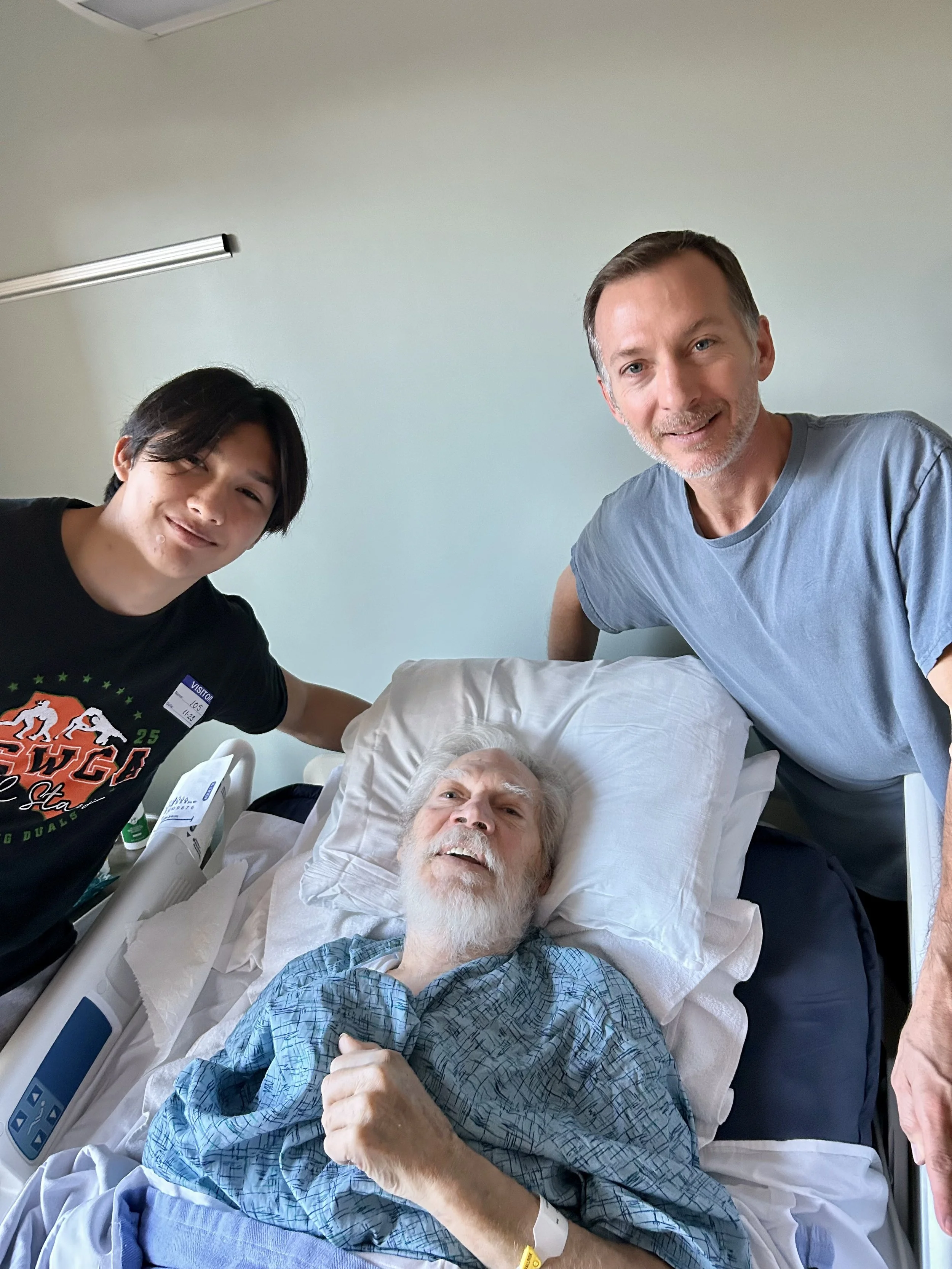
In the midst of a home remodel due to a slab leak, my father-in-law suffered a traumatic fall, brain bleed, and hip fracture on November 2nd — a date already heavy with grief, marking the anniversary of his daughter’s passing. Since then, his recovery has been complicated by repeated health challenges, and our family has been navigating the emotional and physical demands of caregiving.
Caretaking is not for the faint of heart. My deepest compassion goes out to anyone walking this path. I hold immense gratitude for my husband, who has carried the weight of supporting his father while working full-time — and who, like so many caregivers, learned that caring for others requires caring for oneself, too.
At the same time, my son’s health began to unravel. When his symptoms could no longer be masked, it became clear that he was dealing with persistent concussion symptoms and nervous system dysregulation following multiple traumatic brain injuries. The uncertainty, tears, sleepless nights, research, and doctor visits were overwhelming — yet we were met with compassionate, functionally trained providers who reminded us that healing is possible.
Through two ER visits in ten days and a constant state of crisis, I was forced to release old patterns of control and survival that had kept my nervous system locked in fight-or-flight for far too long. That survival mode may help us respond in emergencies — but it cannot sustain healing, peace, or long-term health.
What I’ve come to see clearly is how unprocessed trauma can ripple through generations, shaping how we cope, suppress, and endure — often at the expense of our well-being. My work now, for myself, my family, and this community, is to choose a different path: one rooted in awareness, regulation, compassion, and hope.
What Is Ready to Be Released?
What feels like it’s breaking down in your life right now?
And what might freedom look like for you?
Our past experiences, trauma, conditioning, and habits can quietly keep us stuck in a chronic sympathetic nervous system state — the fight, flight, or freeze response. When we live there long-term, true healing and change become incredibly difficult.
The brain and autonomic nervous system regulate nearly everything:
mood, energy, sleep, hormones, digestion, heart rate, blood pressure, temperature, and more.
The good news?
Our nervous system is beautifully adaptable. Through neuroplasticity, the body has an incredible capacity to heal once we shift into the parasympathetic “rest and digest” state — a place of balance, repair, and homeostasis.
Understanding Dysautonomia
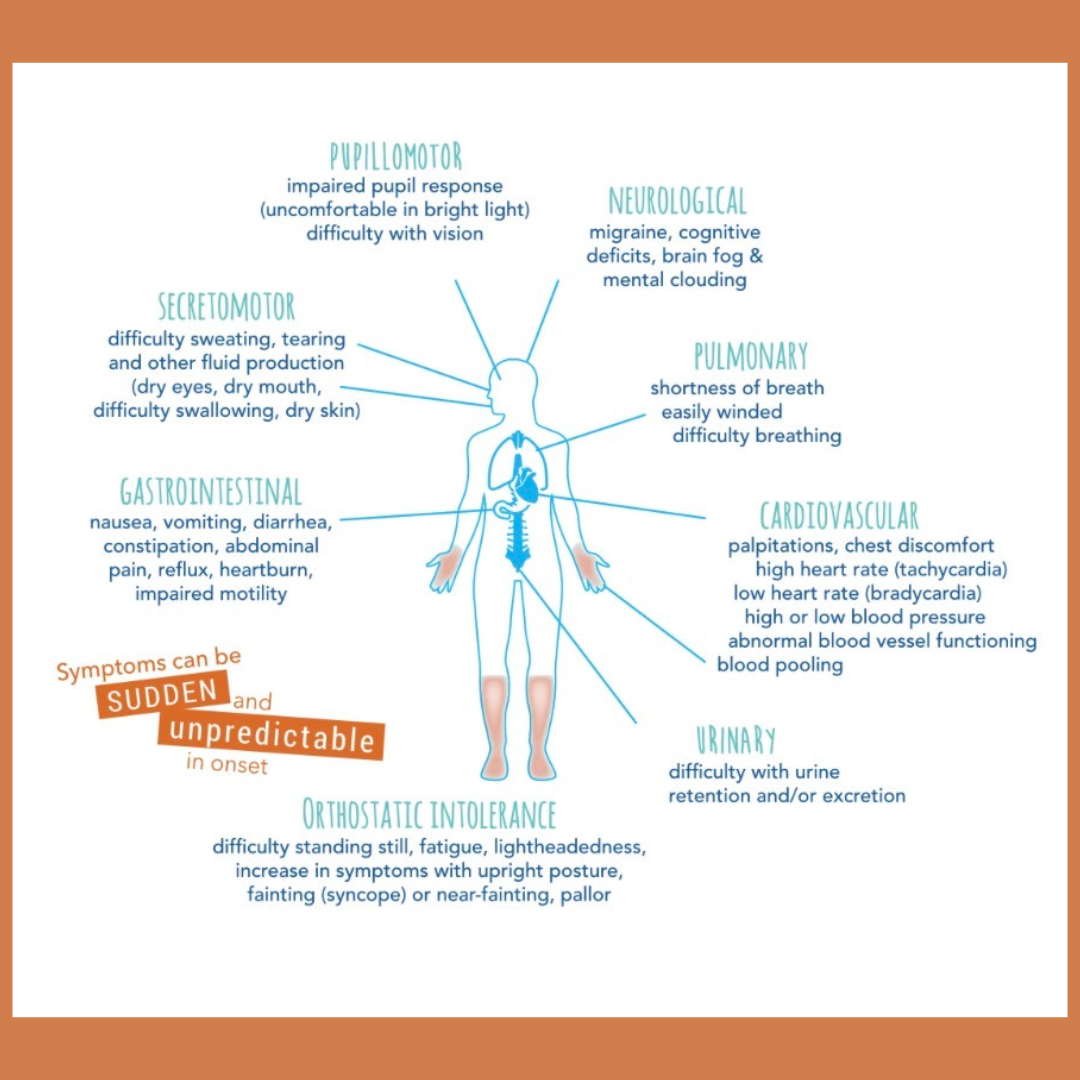
In over 20 years of practice, I’m seeing a significant rise — especially among young people — in dysautonomia, a condition where the autonomic nervous system becomes stuck in chronic sympathetic overdrive.
Dysautonomia can be:
Genetic or hereditary
Triggered by brain injuries or trauma
Linked to viral illnesses like Epstein-Barr or COVID-19
Associated with conditions such as autoimmune disease, hypermobile Ehlers-Danlos Syndrome, mast cell activation syndrome, and diabetes
If you suspect dysautonomia — or simply feel like your body is always “on edge” — know that support is available. Working with a dysautonomia-informed or functional medicine practitioner can provide clarity, guidance, and hope. Our team is here to help.
A Gentle Detox to Begin Breaking Free
Whether you have a diagnosis or simply feel depleted, regulating the nervous system often begins with removing what overwhelms it.
Here are 7 things to consider detoxing from:
Chemicals in household, hygiene, and gardening products
Fear-driven or addictive news, media, and excessive screen time
Self-imposed pressure, control, and critical inner dialogue
Alcohol, excess caffeine, sugar, processed foods, and recreational drugs
Toxic relationships or draining dynamics
Overbooked, overstimulating schedules
Numbing or distracting habits that no longer serve your well-being
Practices That Support Nervous System Healing
As you create space, begin to nourish your mind, body, and soul with practices that regulate and restore:
Mindfulness: meditation, prayer, journaling, breathwork
(Just three deep belly breaths can shift your nervous system into parasympathetic mode)Gentle movement: walking, stretching, yoga
Nourishing food: whole, nutrient-dense meals with healthy fats, protein, and complex carbs
Hydration with mineral-rich water and iodized sea salt
Consistent sleep: 7–8 hours with healthy sleep hygiene
A growth mindset: responding with awareness instead of reactivity
Time in nature
Meaningful connection and spiritual community
Therapeutic support: counseling, EMDR, somatic therapy
Body-based therapies: medical massage, craniosacral therapy, acupuncture, cupping, gua sha, red light, cold plunges
Joyful hobbies: activities that nourish your spirit
Singing and chanting deserve special mention — they directly stimulate the vagus nerve, a key pathway for calming the nervous system.
Moving Forward Together
This list is intentionally abundant — not overwhelming.
Choose one or two places to start. Add more as you feel ready.
Healing doesn’t happen through force.
It happens through safety, consistency, and compassion.
As we enter this new year, I am right alongside you — releasing old patterns and cultivating a more regulated, resilient, and joyful way of being.
Here’s to moving from breaking down…
to breaking free.
With Warmth and Wellness,
Dr. Suzanne Tang
and the Inspire Natural Wellness Team
🌿 Dr. Tang’s Wellness Recipe Corner
Brain-Nourishing Wild Salmon & Greens Bowl
A simple, delicious way to support brain health and nervous system balance.
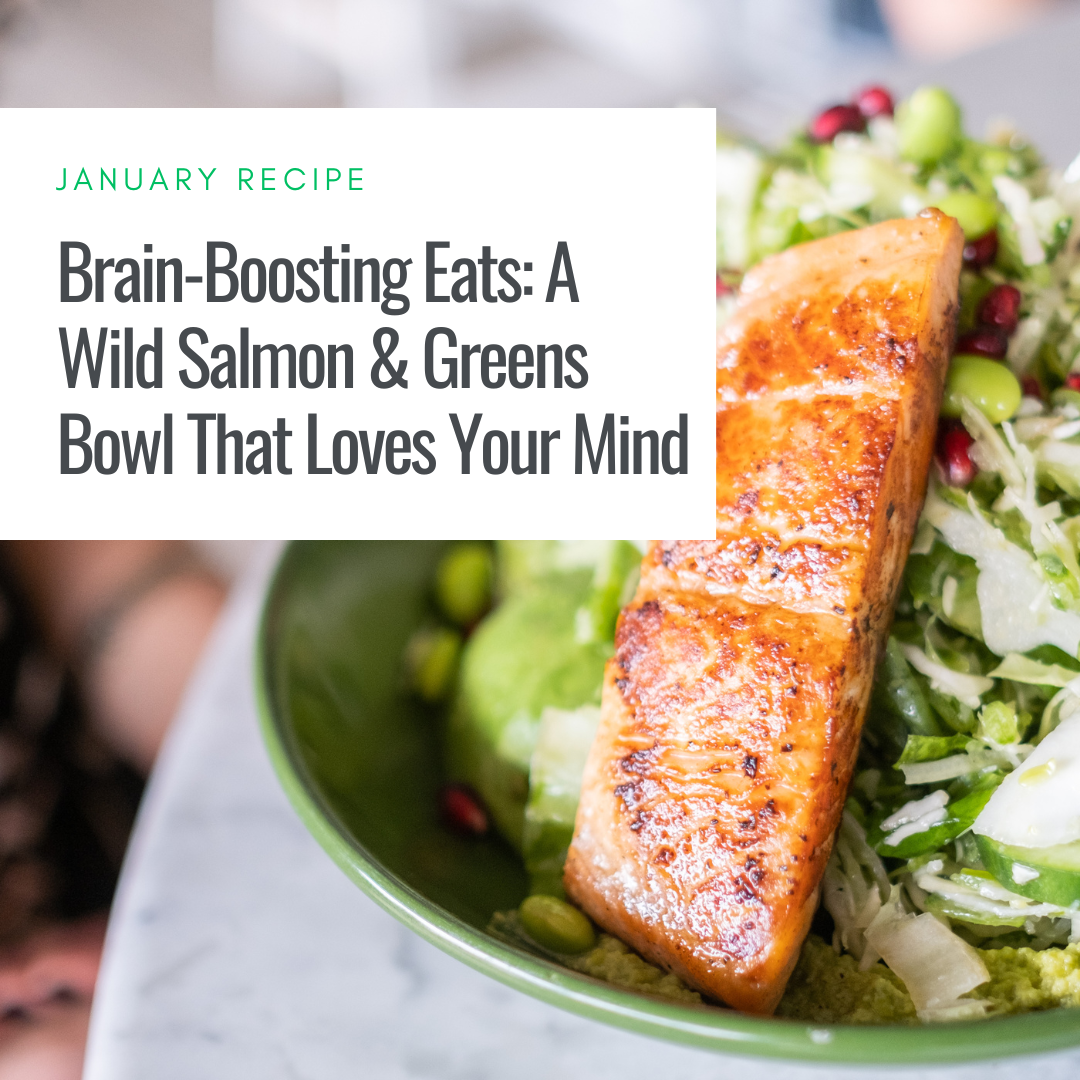
This month’s recipe was chosen to support brain health, circulation, and inflammation balance during the winter season. Built with nutrient-dense ingredients like wild-caught salmon, leafy greens, and anti-inflammatory fats, this bowl is a simple reminder that food is powerful information for your body — and doesn’t need to be complicated to be effective.
Ingredients
Bowl
4 oz wild-caught salmon
2 cups mixed greens (arugula, spinach, romaine)
½ cup steamed broccoli
¼ avocado, sliced
¼ cup blueberries
1 Tbsp walnuts
2 tsp ground flaxseed
Sea salt & black pepper, to taste
Turmeric–Tahini Dressing
1 Tbsp tahini
1 tsp turmeric
Pinch of black pepper
1 tsp fresh lemon juice
1 tsp extra-virgin olive oil
Water, to thin
Optional add-ons:
Hemp seeds, broccoli sprouts, or a spoonful of kimchi or sauerkraut for added omega-3s, sulforaphane, and gut-brain support.
How to Make It
1. Cook the salmon
Pat salmon dry and season with salt and pepper.
Heat 1 teaspoon olive oil in a non-stick skillet over medium heat.
Place salmon skin-side down and cook for 4–5 minutes. Flip and cook an additional 3–4 minutes, until flaky. Set aside.
2. Steam the broccoli
Steam broccoli florets for 4–5 minutes until bright green and tender-crisp. Drain and set aside.
3. Make the dressing
In a small bowl, whisk together tahini, turmeric, black pepper, lemon juice, and olive oil.
Add water one splash at a time until the dressing reaches a creamy, pourable consistency.
4. Assemble the bowl
Start with a base of mixed greens.
Top with broccoli, avocado, blueberries, walnuts, and ground flaxseed.
Add the salmon, drizzle with dressing, and enjoy.
Upcoming Events
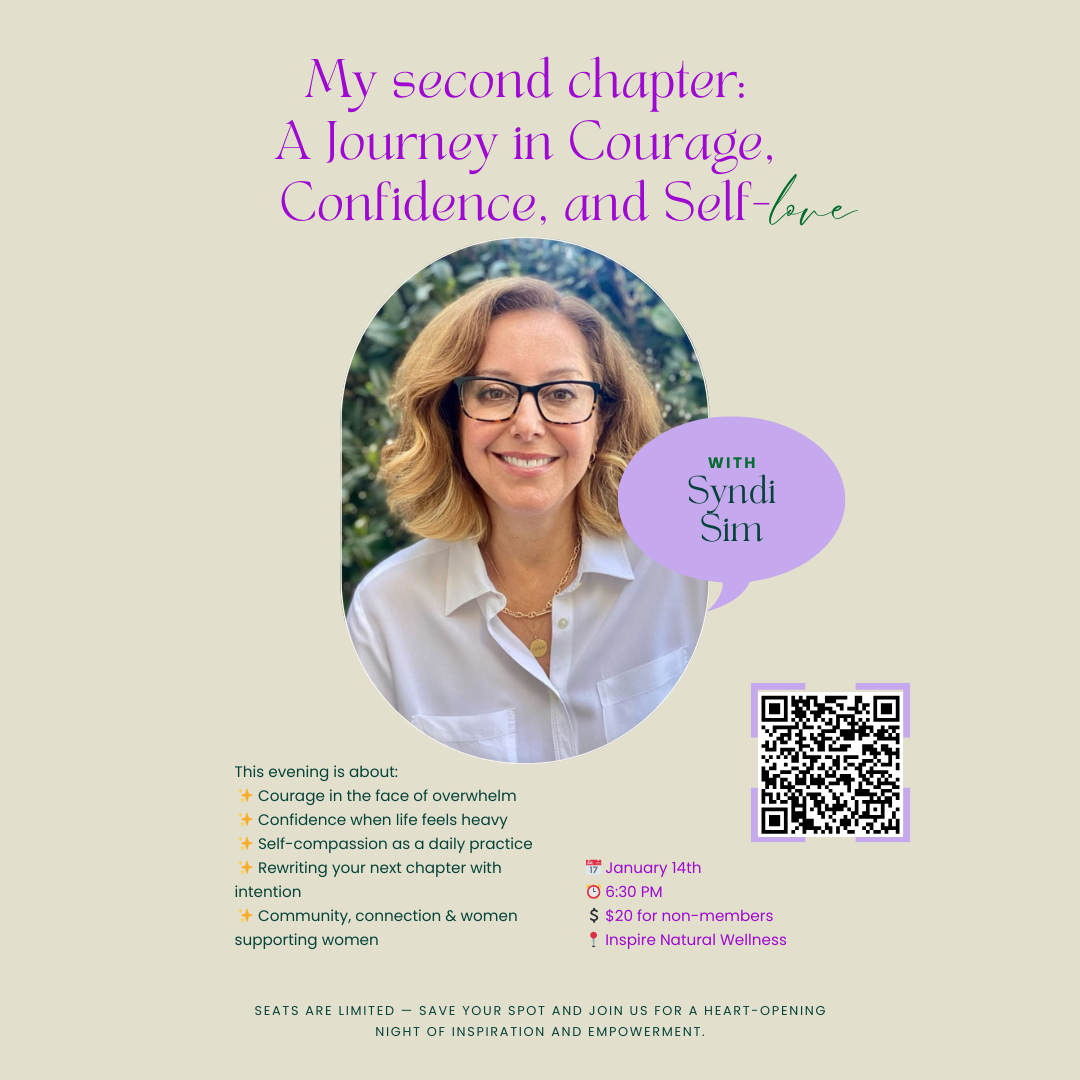
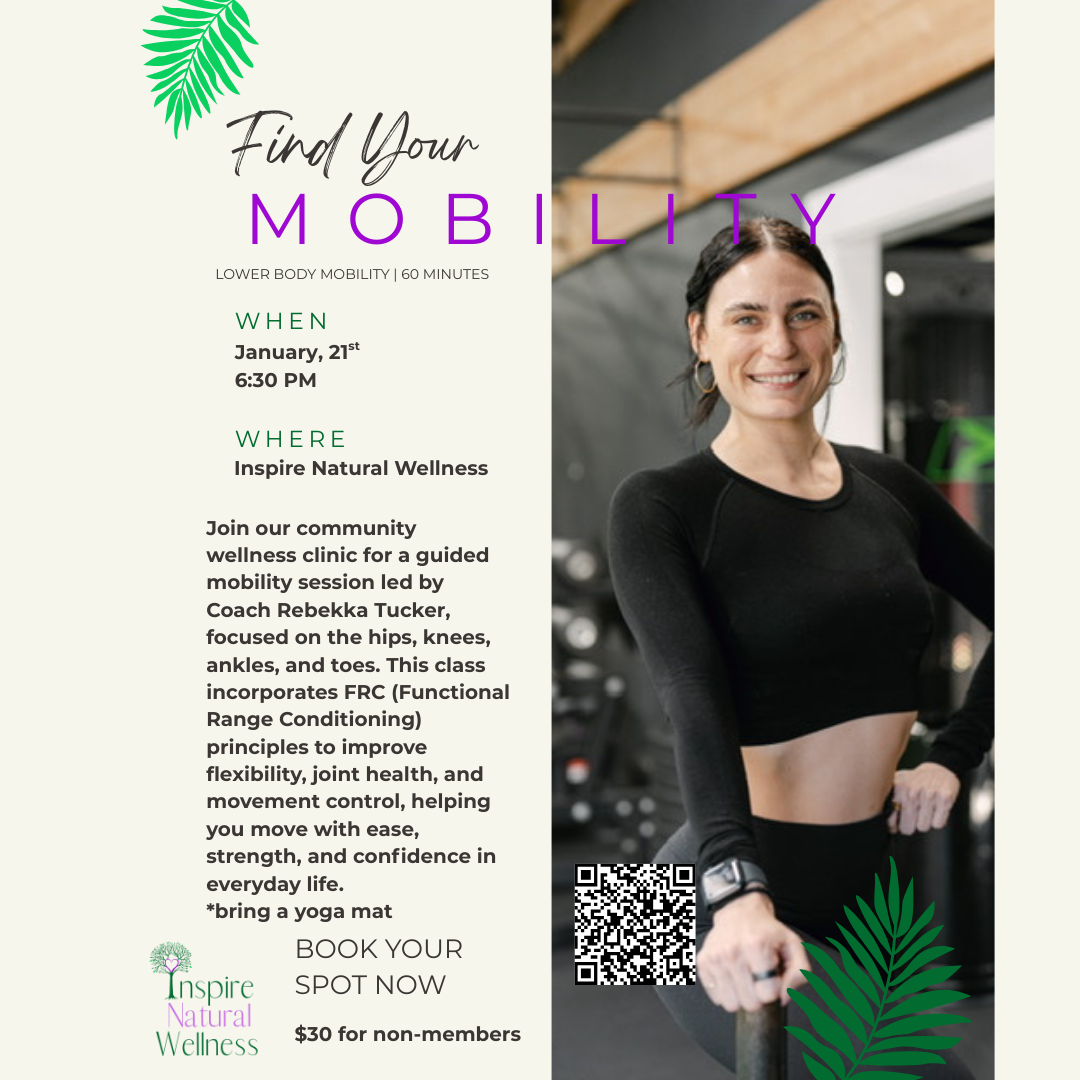
Join us this January for meaningful, movement-forward and heart-centered community events designed to support your body, mind, and spirit. From guided mobility to inspiring conversations, these gatherings are an opportunity to slow down, connect, and invest in your well-being alongside a supportive community.